Motorcycle Airbag Vests in 2026: What Riders Need to Know
Motorcycle protective gear continues to evolve beyond helmets, jackets, gloves, boots, and traditional body armor. One of the most discussed developments in 2026 is the motorcycle airbag vest — a wearable system designed to inflate rapidly when it detects a crash or when the rider separates from the motorcycle.
Airbag vests are no longer limited to professional racing. Electronic and tethered systems are increasingly available to everyday street riders, touring riders, commuters, and adventure motorcyclists. Their goal is straightforward: create an additional cushion around vulnerable areas such as the chest, back, neck, shoulders, and sometimes the hips before the rider strikes the ground or another object.
Interest in this technology is growing at a time when motorcycle safety remains a serious concern. The Insurance Institute for Highway Safety reports that 6,228 motorcyclists died in U.S. crashes in 2024, representing 16% of all motor vehicle crash deaths that year. That makes improvements in protective equipment an important part of the broader conversation about reducing injury severity.
For additional information about emerging rider technology, see our guide to new motorcycle safety technologies in 2026.
What Is a Motorcycle Airbag Vest?
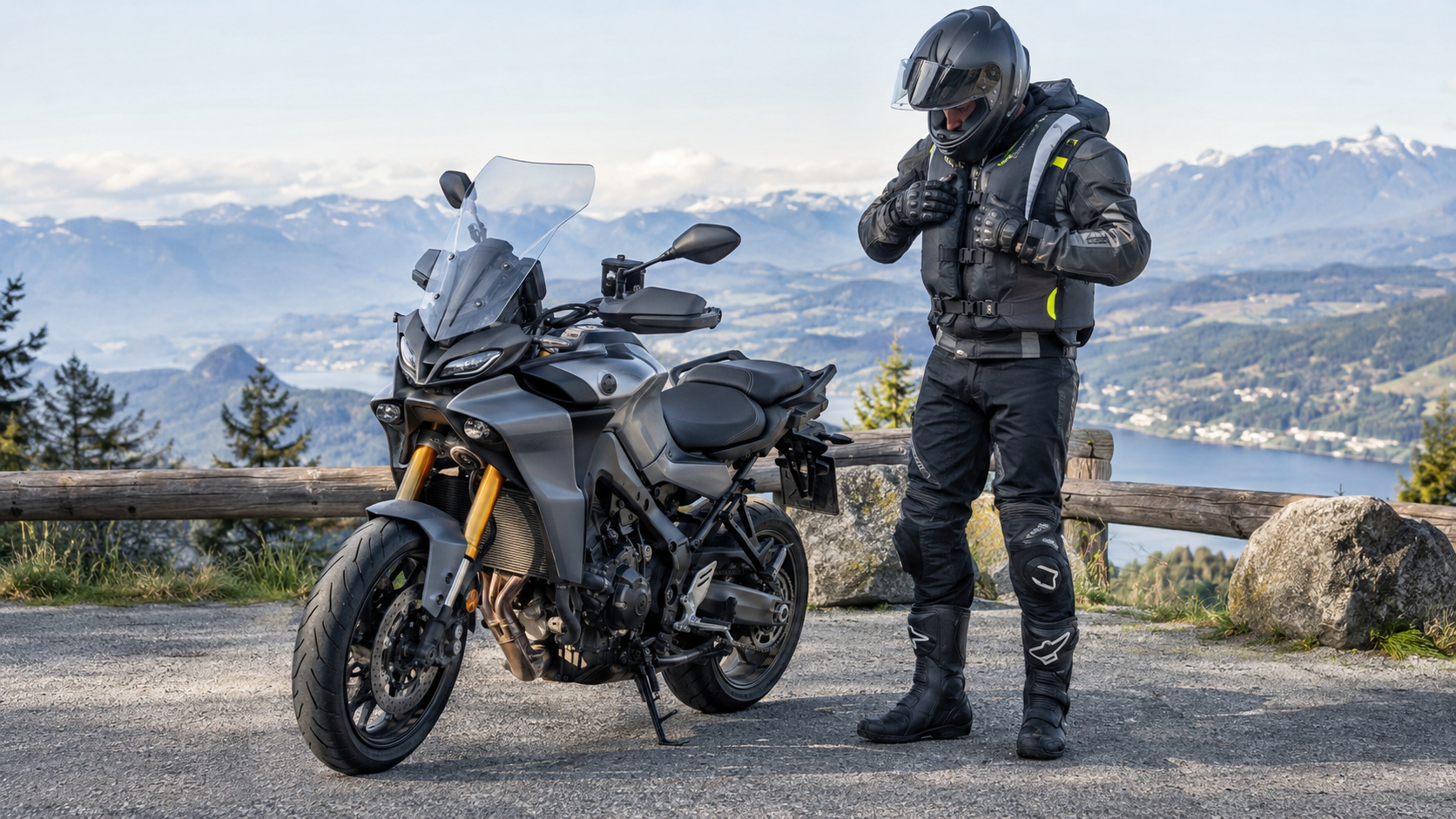
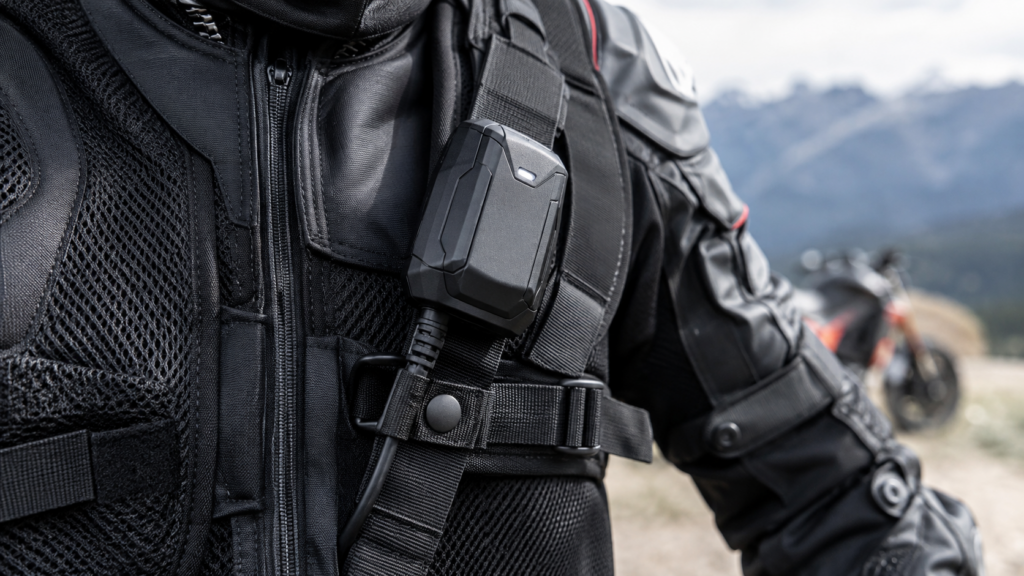
A motorcycle airbag vest is wearable protective equipment containing inflatable chambers that deploy during certain crash events. Depending on the design, the vest can be worn over a motorcycle jacket, underneath compatible riding gear, or integrated directly into a jacket or suit.
The IIHS overview of airbags notes that wearable motorcycle airbags are designed to protect areas including the rider’s neck, torso, and spine. Some products rely on a mechanical tether connected to the motorcycle, while newer electronic systems use accelerometers, gyroscopes, GPS data, or other sensors to identify movement patterns associated with a crash.
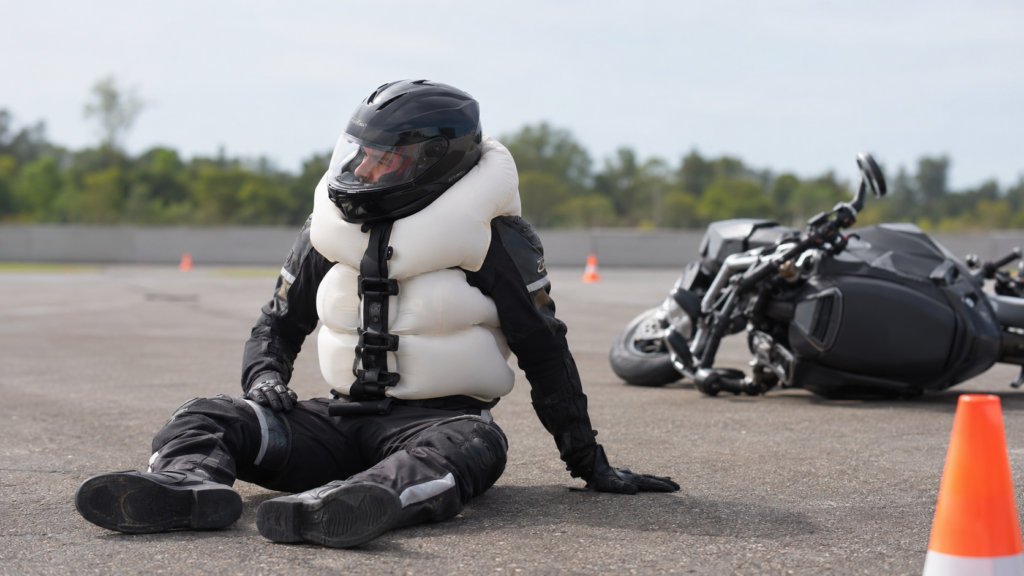
When the activation criteria are met, compressed gas rapidly inflates the protective chambers. The inflated structure is intended to distribute impact energy across a larger area and provide extra cushioning around parts of the body that can be seriously injured in a motorcycle collision.
Tethered Airbag Vests
Tethered systems use a physical cord that connects the vest to the motorcycle. If the rider is thrown far enough from the motorcycle, the tether pulls an activation mechanism that triggers inflation. Their relatively simple design can make them appealing to riders who prefer equipment without batteries, charging requirements, or subscription-based electronics.
Electronic Airbag Vests
Electronic systems continually monitor rider and motorcycle movement. Their software attempts to distinguish normal riding — including braking, leaning, bumps, and quick direction changes — from movements associated with a crash. When the system recognizes a qualifying event, it can trigger inflation without waiting for the rider to physically separate from the motorcycle.
This difference matters because the timing of inflation can affect how much protection is available before the first major impact.
How Quickly Do Motorcycle Airbags Deploy?
Deployment speed varies considerably between designs. A French road-safety study evaluating motorcycle airbag vests found meaningful differences between tethered and electronically triggered systems. The French Road Safety Observatory’s EFFIGAM research reported that some radio-triggered systems began deployment much earlier than tethered systems and generally reached full inflation more quickly.
The study also highlighted an important limitation: even a fast airbag cannot eliminate the forces involved in every crash. High-energy direct impacts can still produce serious injuries despite deployment. Airbag equipment should therefore be viewed as an additional layer of protection rather than a guarantee against injury.
What Does the Research Say About Protection?
Research on wearable motorcycle airbags is promising in some areas, but it is still developing. The French EFFIGAM project found that airbag vests provided meaningful torso protection in its testing and were particularly useful in sliding-type falls. The researchers also found that airbags could absorb impact over a larger area than conventional back protectors in certain test conditions.
Experimental modeling has produced similar findings. A study published in the International Journal of Crashworthiness found that wearable airbag protection could reduce modeled thoracic injury severity under some impact conditions.
However, riders should be careful with claims that an airbag vest has been proven to prevent fatalities. A 2025 study published in the Journal of Safety Research examined powered two-wheeler crash data in France from 2019 through 2022. Airbag use among crashed riders remained low, although use increased during the study period. After researchers adjusted for other factors, airbag use was not significantly associated with fatality risk. The authors emphasized that the small number of airbag users limited the conclusions that could be drawn and called for larger studies focused on injuries and crash circumstances.
That distinction is important. Laboratory testing may show that a device can reduce certain impact forces, while real-world population studies must account for crash speed, impact type, rider age, motorcycle type, equipment use, and many other variables.
Which Parts of the Body Can an Airbag Vest Protect?
Coverage varies by model, but common protection areas include the chest, upper and lower back, collarbone region, shoulders, and neck. Some systems also extend downward around the abdomen, ribs, tailbone, or hips when inflated.
The thorax deserves particular attention because chest injuries can be severe in motorcycle crashes. Traditional armor can help absorb localized impact, while an inflated airbag may spread forces over a larger surface area. The two technologies are therefore often designed to work together rather than compete with each other.
Motorcycle airbag vests should also be viewed as part of a complete protective setup. The National Highway Traffic Safety Administration continues to emphasize DOT-compliant helmets, visibility, sober riding, licensing, and responsible riding practices. An airbag vest does not replace a helmet or other essential protective equipment.
Airbag Vests vs. Conventional Motorcycle Armor
Conventional impact protectors are usually made from materials designed to absorb energy at specific points such as the shoulders, elbows, back, hips, and knees. They are passive, meaning they do not need to detect a crash or inflate.
Airbag vests are active protection. They attempt to create a larger protective volume immediately before impact. That can provide cushioning around areas conventional armor may not fully cover, particularly the chest and neck.
Research on conventional motorcycle clothing remains relevant. A study indexed by PubMed found that motorcycle jackets, gloves, trousers, and boots were associated with lower risks of certain soft-tissue injuries. The evidence supports thinking about rider protection as a system: helmet, abrasion-resistant clothing, impact armor, gloves, boots, and potentially an airbag vest.
You can find more related equipment information in our Motorcycle Features & Gear section.
What Riders Should Check Before Buying an Airbag Vest
Coverage
Compare which parts of the body the system protects when fully inflated. One vest may primarily protect the torso and spine, while another may add shoulder, neck, or hip coverage.
Deployment Method
Decide whether a tethered or electronic system better suits your riding habits. Tethered products require attachment to the motorcycle, while electronic systems require power and may need software updates or periodic servicing.
Fit and Compatibility
An airbag needs enough room to inflate correctly. Riders should follow the manufacturer’s sizing and clothing instructions carefully, especially when wearing the airbag underneath a jacket. Gear that is too tight can interfere with deployment or become uncomfortable when inflated.
Recharge and Reset Requirements
Some systems can be reset by replacing a gas cartridge after a non-damaging deployment. Others may need manufacturer inspection or service. Riders should know what happens after activation before choosing a system.
Battery and Electronics
Electronic vests may require charging before use. A rider who forgets to charge the unit could unintentionally ride without active airbag protection. Checking battery status should become part of the pre-ride routine.
What Are the Limitations?
No wearable airbag can protect against every collision. Deployment may occur too late in certain extremely rapid impacts, and some crashes may not match the movement patterns required for activation. Even a fully inflated vest cannot eliminate injury from very high forces, crushing events, penetrating objects, or impacts to body areas outside its coverage.
Comfort is another consideration. Depending on the design, a system can add weight, insulation, bulk, or maintenance requirements. Riders in hot climates may pay particular attention to ventilation and how the vest interacts with their normal jacket.
Cost can also affect adoption. Electronic systems tend to be more complex than conventional armor, and some products may include recurring service or subscription expenses. Riders should consider the full long-term cost instead of looking only at the initial purchase price.
Why Airbag Vests Are Worth Watching in 2026
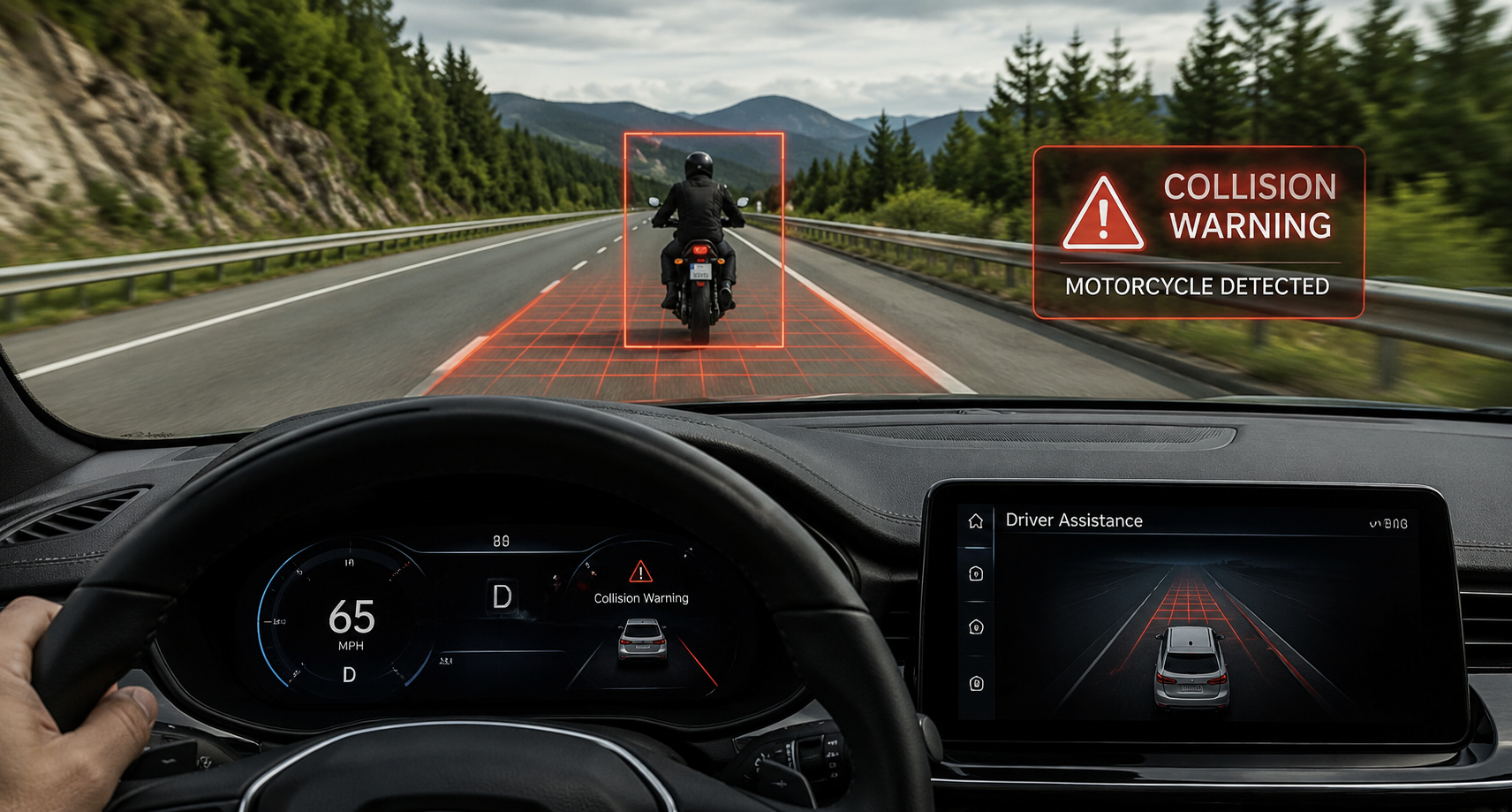
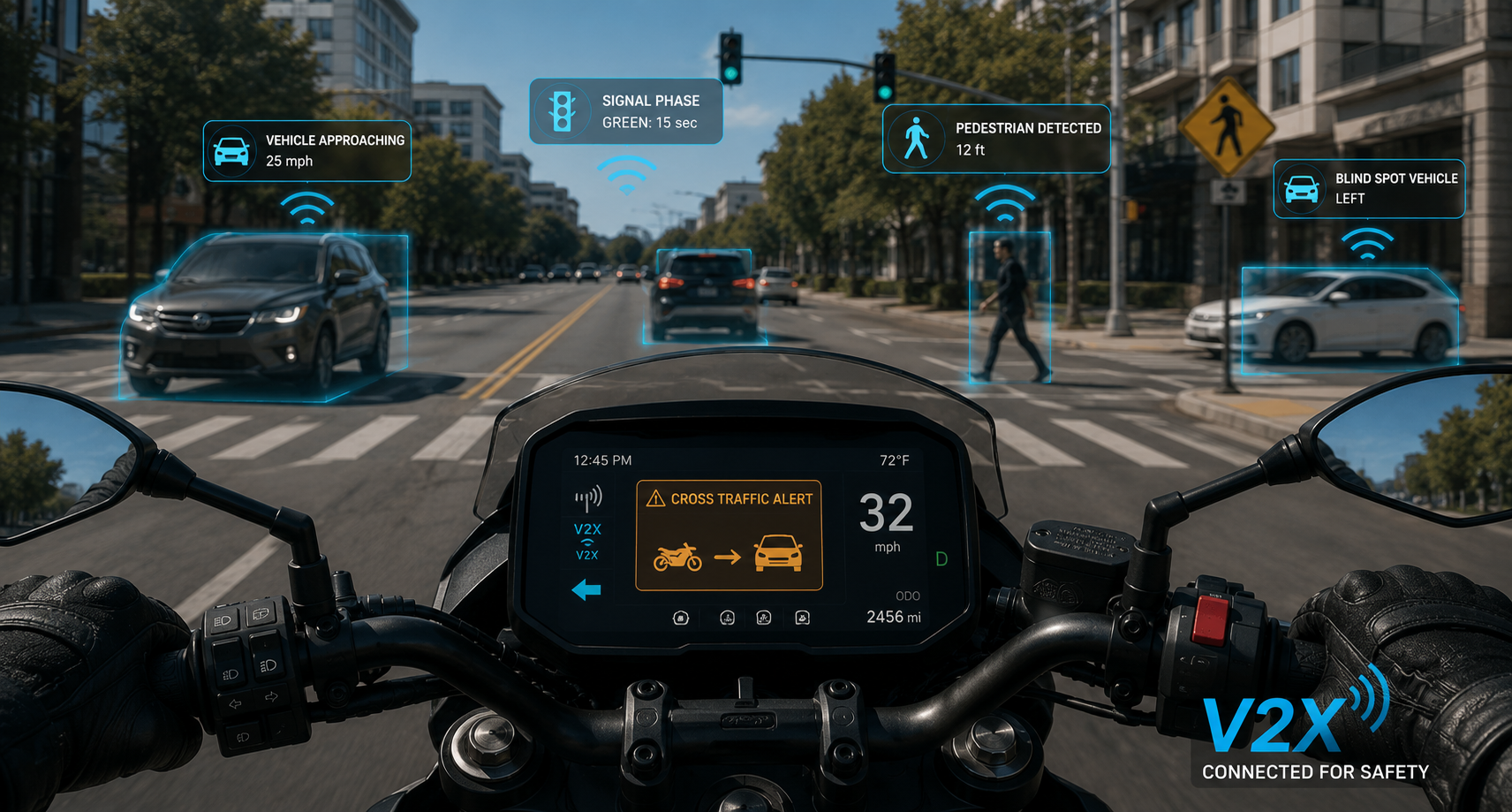
The broader motorcycle-safety market is moving toward equipment that responds dynamically to crashes rather than relying exclusively on passive protection. Smart helmets, V2X connectivity, rider-assistance systems, and electronic airbags all reflect the same trend: using sensors and software to identify danger sooner.
Wearable airbags are especially interesting because they focus on what happens when crash avoidance fails. They do not prevent a collision in the way ABS, traction control, or collision-warning technology might. Instead, they are designed to reduce some of the forces that reach the rider during the crash itself.
Final Thoughts
Motorcycle airbag vests represent one of the more significant developments in wearable rider protection. Testing suggests that they can provide useful torso protection in certain crash conditions, while newer electronic systems are designed to recognize crashes and deploy extremely quickly.
At the same time, current research does not support treating an airbag vest as a substitute for proven safety practices or as guaranteed protection against fatal or serious injury. Real-world evidence is still developing, and performance depends on the crash, equipment design, deployment timing, fit, and coverage.
For riders considering an airbag vest in 2026, the best approach is to view it as one component of a broader safety strategy that includes a compliant helmet, protective clothing, rider training, motorcycle maintenance, defensive riding, and awareness of surrounding traffic.
Explore more evidence-based guidance in our Motorcycle Safety and Accident Prevention sections.