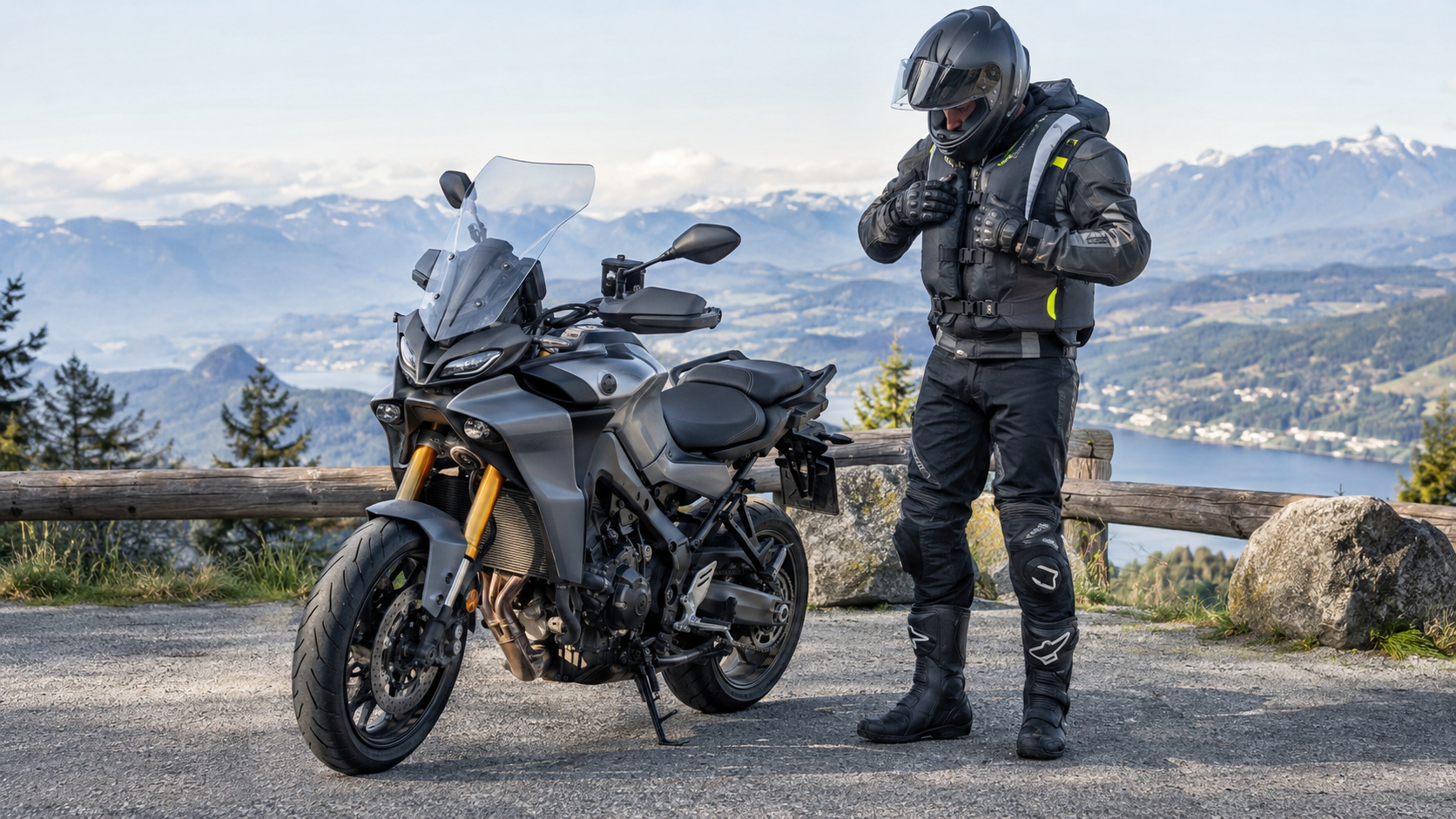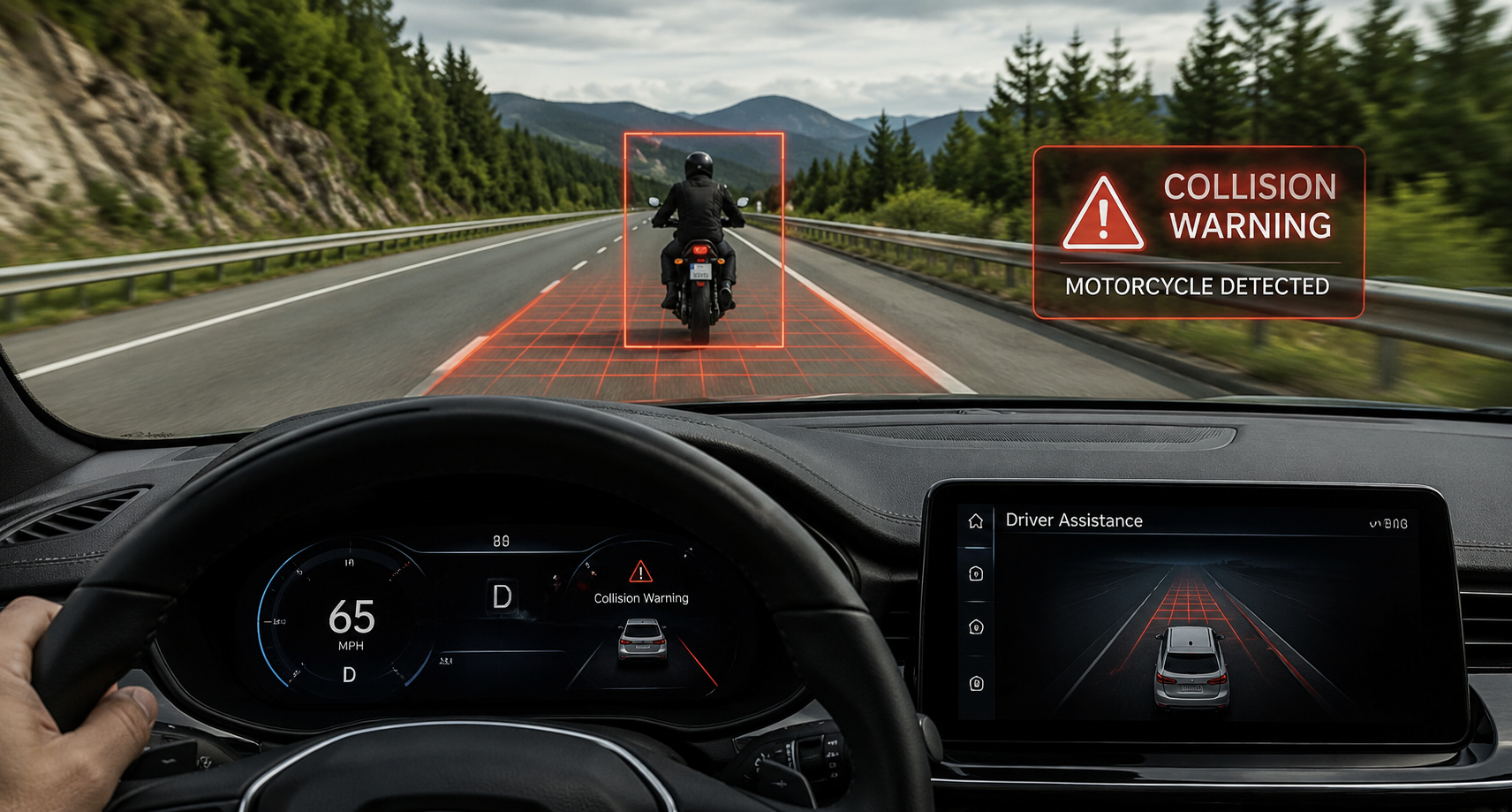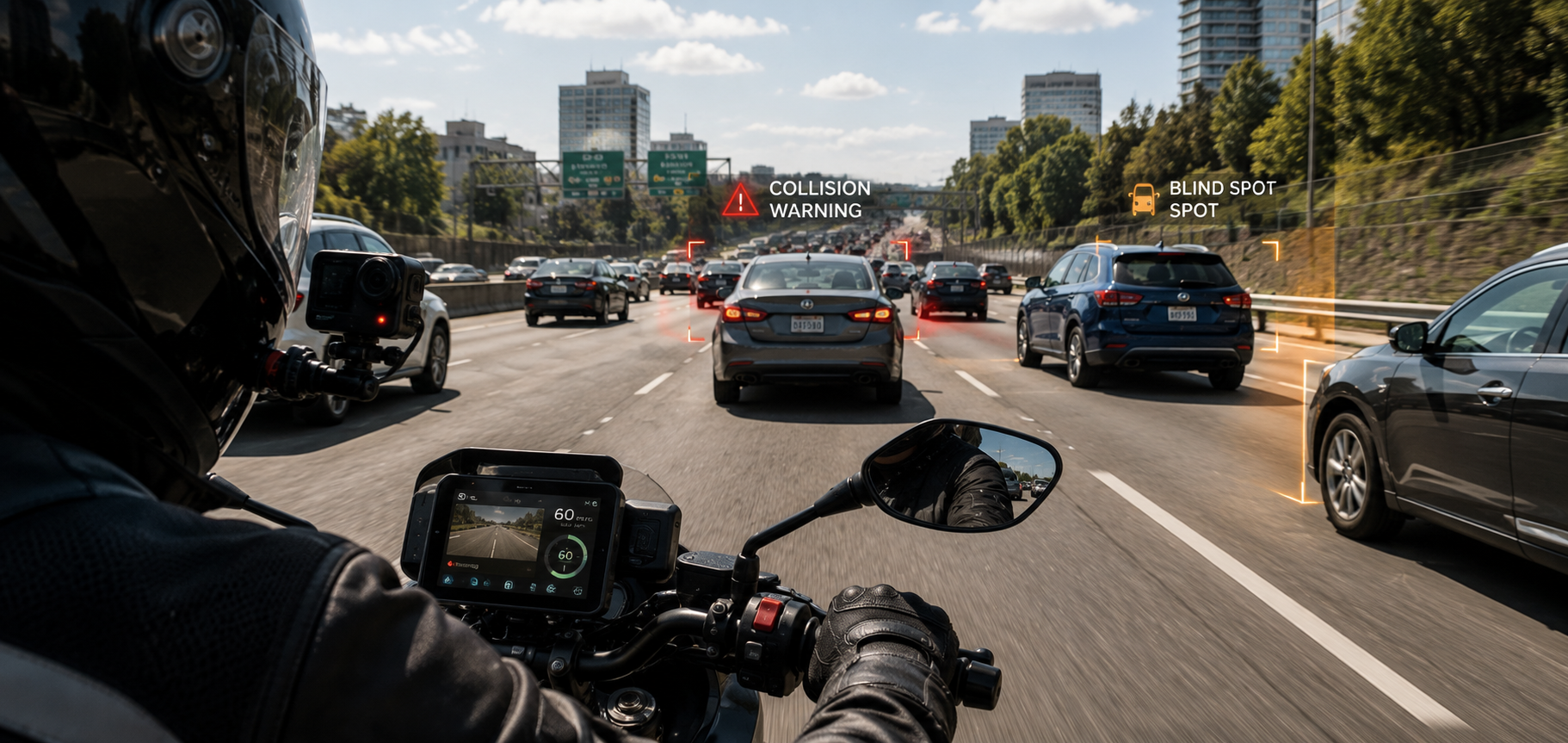
AI-powered dashcams are becoming one of the fastest-growing motorcycle safety technologies in 2026. Riders are now using smart cameras with artificial intelligence to record rides, detect hazards, monitor traffic behavior, and improve overall road awareness. As motorcycle accident rates continue to be a concern across the United States, these advanced systems are helping riders make safer decisions on the road.
Unlike traditional motorcycle cameras, AI dashcams do more than record footage. They use real-time analysis to identify dangerous situations, warn riders about potential collisions, and capture valuable evidence after a crash. Many riders are now adding these systems alongside helmets, ABS braking systems, and other safety upgrades.
What Is an AI Motorcycle Dashcam?
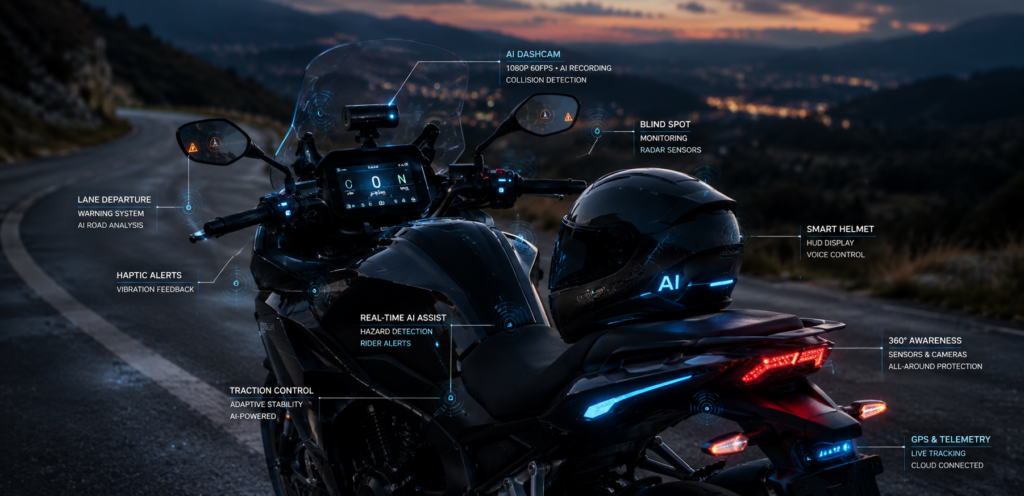
An AI motorcycle dashcam is a smart recording device designed specifically for motorcycles. These systems use artificial intelligence, sensors, GPS tracking, and cameras to monitor riding conditions in real time.
Many modern systems include:
- Collision detection alerts
- Blind spot monitoring
- Lane departure warnings
- Real-time GPS tracking
- Automatic incident recording
- Cloud video storage
- Voice control features
- Night vision recording
Unlike older action cameras, AI dashcams actively analyze the road ahead instead of simply recording video.
According to data from the National Highway Traffic Safety Administration, visibility and driver awareness remain major factors in motorcycle crashes. AI-powered systems are helping riders respond more quickly to dangerous traffic conditions.
Why AI Dashcams Are Trending in 2026
Motorcycle riders are increasingly turning to AI technology due to growing concerns about distracted driving, road rage incidents, and hit-and-run crashes. Smart dashcams are now more affordable and widely available than ever before.
Several trends are driving the popularity of AI motorcycle dashcams:
- Increasing motorcycle accident statistics nationwide
- Growth of AI-powered vehicle safety systems
- Higher demand for crash evidence
- Insurance incentives for recorded footage
- Improved camera technology and battery life
Many riders also use dashcam footage to review riding habits and improve defensive driving techniques.
For riders interested in understanding accident trends, our article on What Motorcycle Accident Statistics Tell Us About Rider Safety explores several risk factors connected to rider behavior and visibility.
How AI Dashcams Help Prevent Motorcycle Accidents
AI motorcycle dashcams can reduce crash risks in several ways.
Real-Time Hazard Detection
Advanced systems use AI software to detect sudden braking, unsafe lane changes, and nearby obstacles. Riders receive alerts through helmet audio systems or smartphone connections.
This extra warning time may help riders avoid rear-end collisions and side-impact crashes.
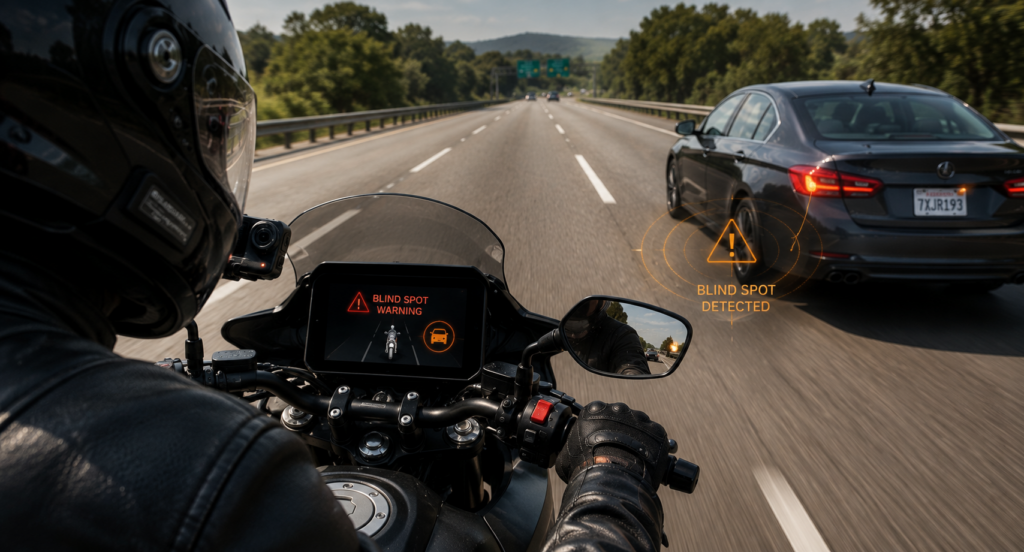
Blind Spot Monitoring
Blind spots continue to be a major issue for motorcyclists. AI dashcams with radar systems monitor nearby vehicles and warn riders when a car enters a dangerous position.
The Insurance Institute for Highway Safety has repeatedly highlighted blind spot crashes as a common cause of motorcycle fatalities.
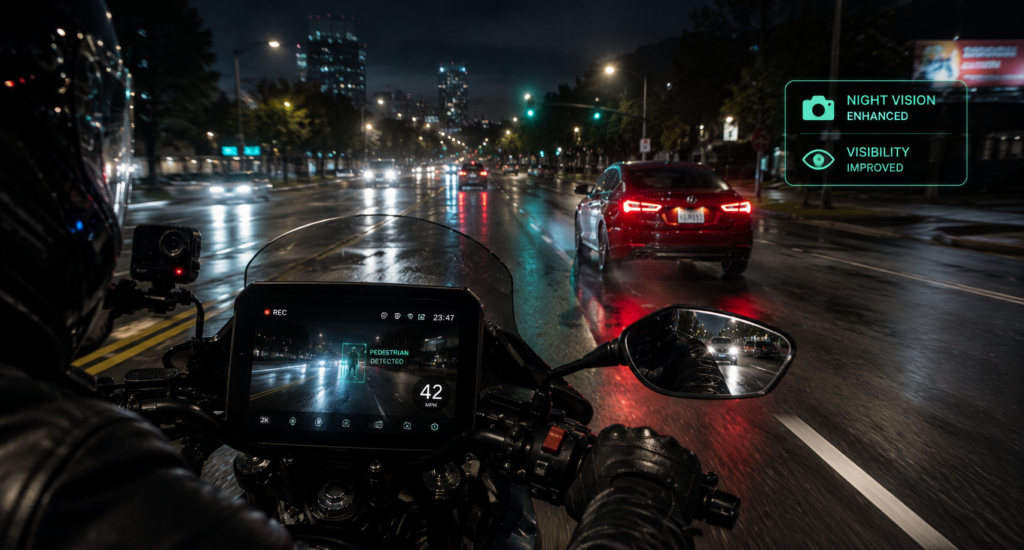
Accident Evidence Collection
After a collision, dashcam footage can provide valuable evidence about traffic conditions, vehicle movement, and driver actions.
Many systems automatically save footage during sudden impacts or emergency braking events. This feature has become especially important in disputed crash cases.
Night Riding Assistance
Low visibility remains a serious concern for motorcycle riders. AI cameras equipped with night vision sensors improve visibility during nighttime rides and poor weather conditions.
Our readers may also find helpful information in Top Causes of Motorcycle Accidents in 2026.
Popular Features Riders Look For
Not all motorcycle dashcams offer the same technology. Riders in 2026 are commonly searching for systems with:
- 4K ultra-HD recording
- Weatherproof construction
- Wide-angle front and rear cameras
- Cloud storage access
- Parking surveillance mode
- Emergency SOS notifications
- Helmet integration
- Long battery life
Some newer models even include AI voice assistants that allow riders to control navigation and recording without removing their hands from the handlebars.
Can AI Dashcams Reduce Insurance Costs?
Some insurance companies are beginning to recognize AI safety technology when evaluating motorcycle policies. Riders who use advanced dashcams may qualify for discounts depending on the insurer and location.
Insurance providers often value systems that:
- Record accidents automatically
- Track riding behavior
- Monitor speed patterns
- Reduce theft risks with GPS tracking
The Insurance Information Institute continues to monitor how technology impacts accident claims and insurance trends.
Limitations of AI Motorcycle Cameras
Although AI dashcams offer several safety benefits, they also have limitations.
Some riders may become overly dependent on technology instead of maintaining defensive riding habits. Weather conditions, camera placement, and poor internet connections can also affect performance.
AI systems are tools designed to assist riders, not replace rider awareness and safe decision-making.
The Centers for Disease Control and Prevention continues to emphasize that helmets, proper training, and safe riding practices remain critical for reducing motorcycle injuries.
The Future of Motorcycle Safety Technology
AI motorcycle technology is expected to continue evolving over the next few years. Several manufacturers are now testing systems that connect motorcycles directly to nearby vehicles using vehicle-to-vehicle communication technology.
Future AI systems may include:
- Predictive crash detection
- Automatic emergency braking
- Road hazard mapping
- AI-assisted emergency response systems
- Integrated helmet displays
Major motorcycle brands are investing heavily in rider assistance technologies as accident prevention becomes a larger focus worldwide.
The Motorcyclist Online and RevZilla Common Tread regularly publish updates about emerging motorcycle safety innovations.
Should Riders Invest in AI Dashcams?
For many riders, AI dashcams provide additional peace of mind. The ability to monitor traffic conditions, record incidents, and receive real-time safety alerts makes these systems increasingly attractive.
While no technology can eliminate all risks, AI-powered cameras are becoming an important part of modern motorcycle safety strategies.
Riders looking to improve safety may also benefit from reviewing our article on The Most Common Causes of Motorcycle Accidents and How to Avoid Them.
Final Thoughts
AI motorcycle dashcams are rapidly changing the way riders approach safety in 2026. With features like hazard detection, blind spot alerts, collision recording, and night vision assistance, these systems are helping riders stay more aware of their surroundings.
As motorcycle technology continues to evolve, AI safety systems may become as common as ABS brakes and full-face helmets. Riders who combine smart technology with defensive riding habits may be better prepared for the challenges of modern roads.