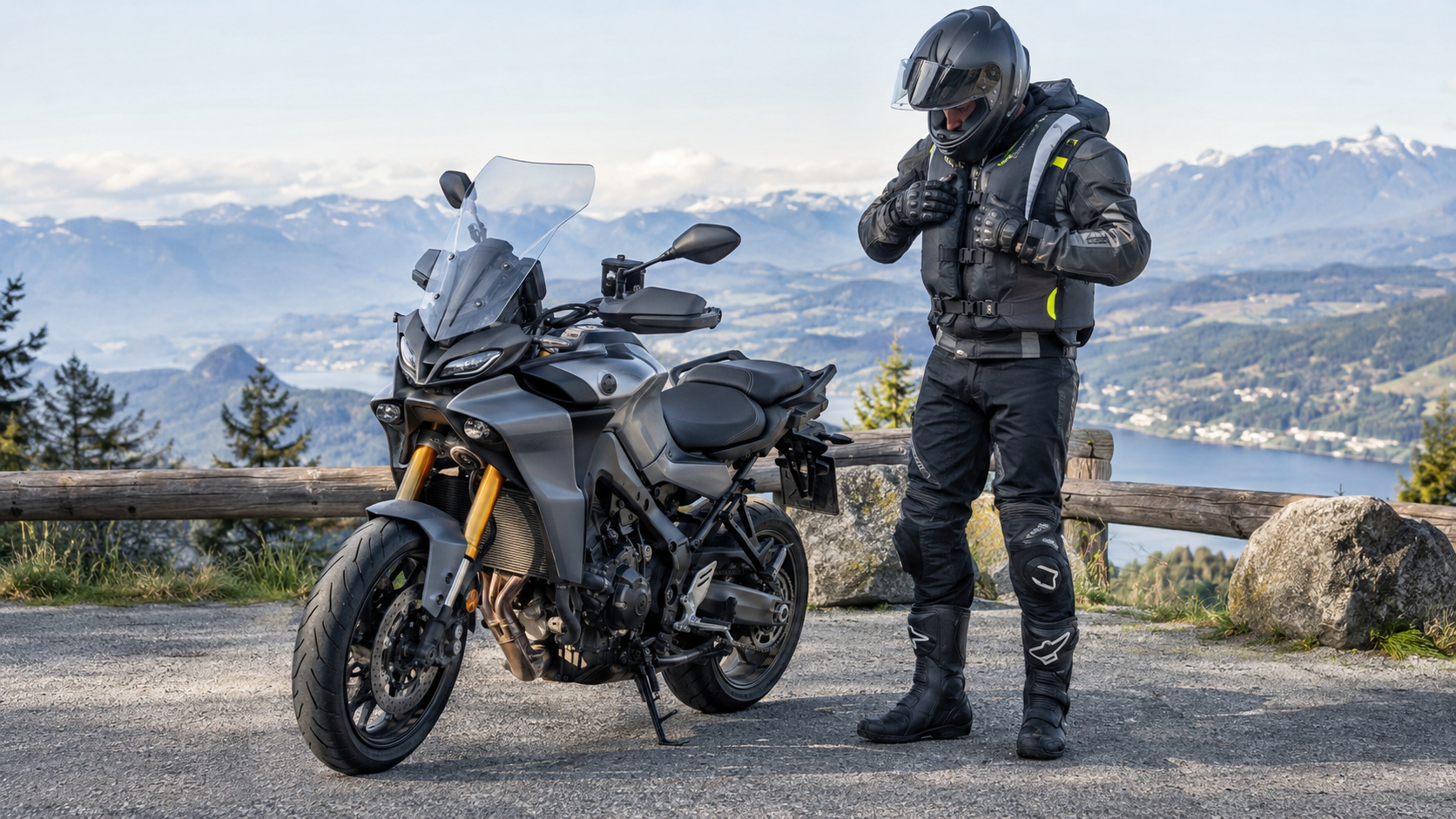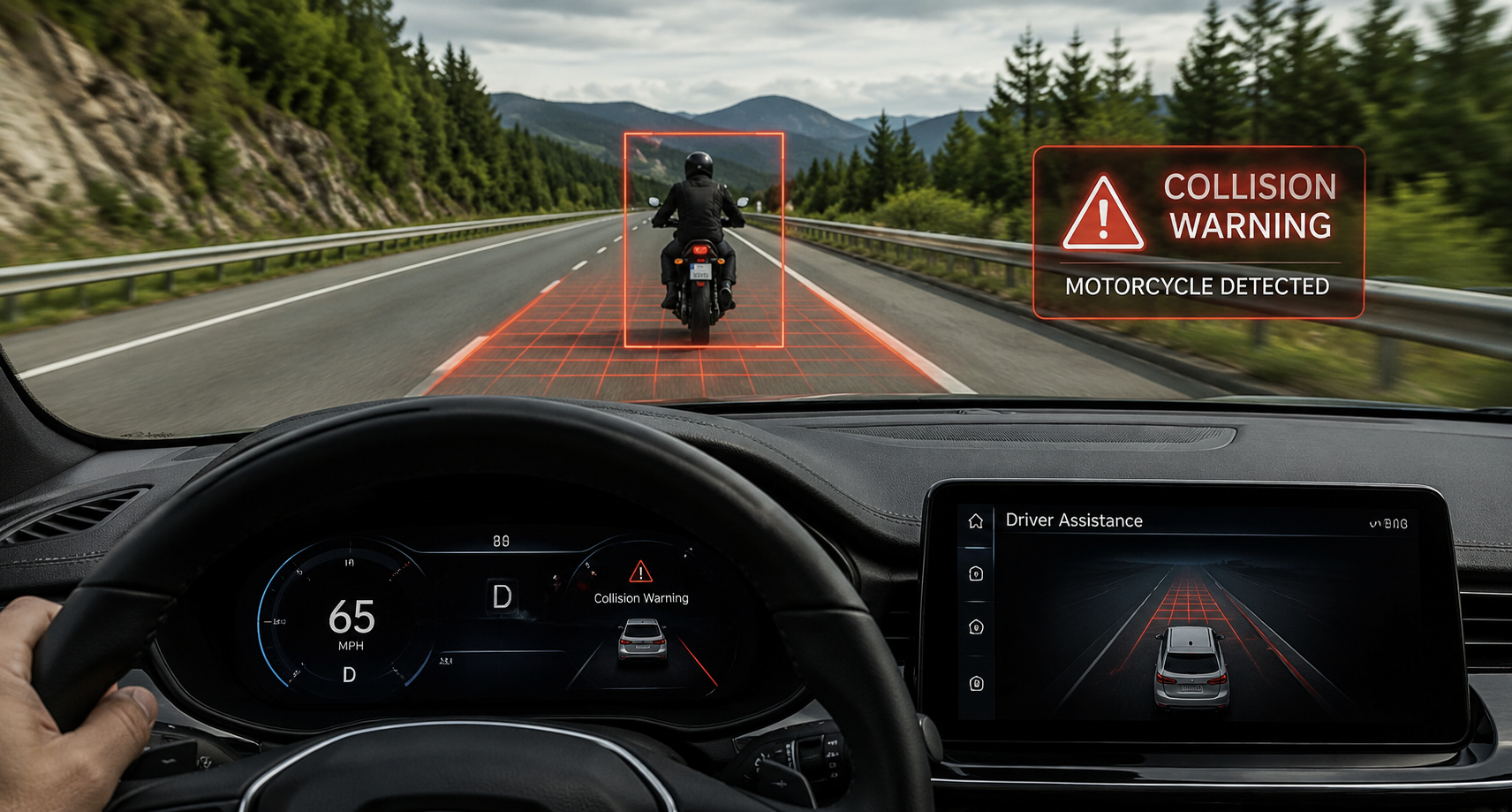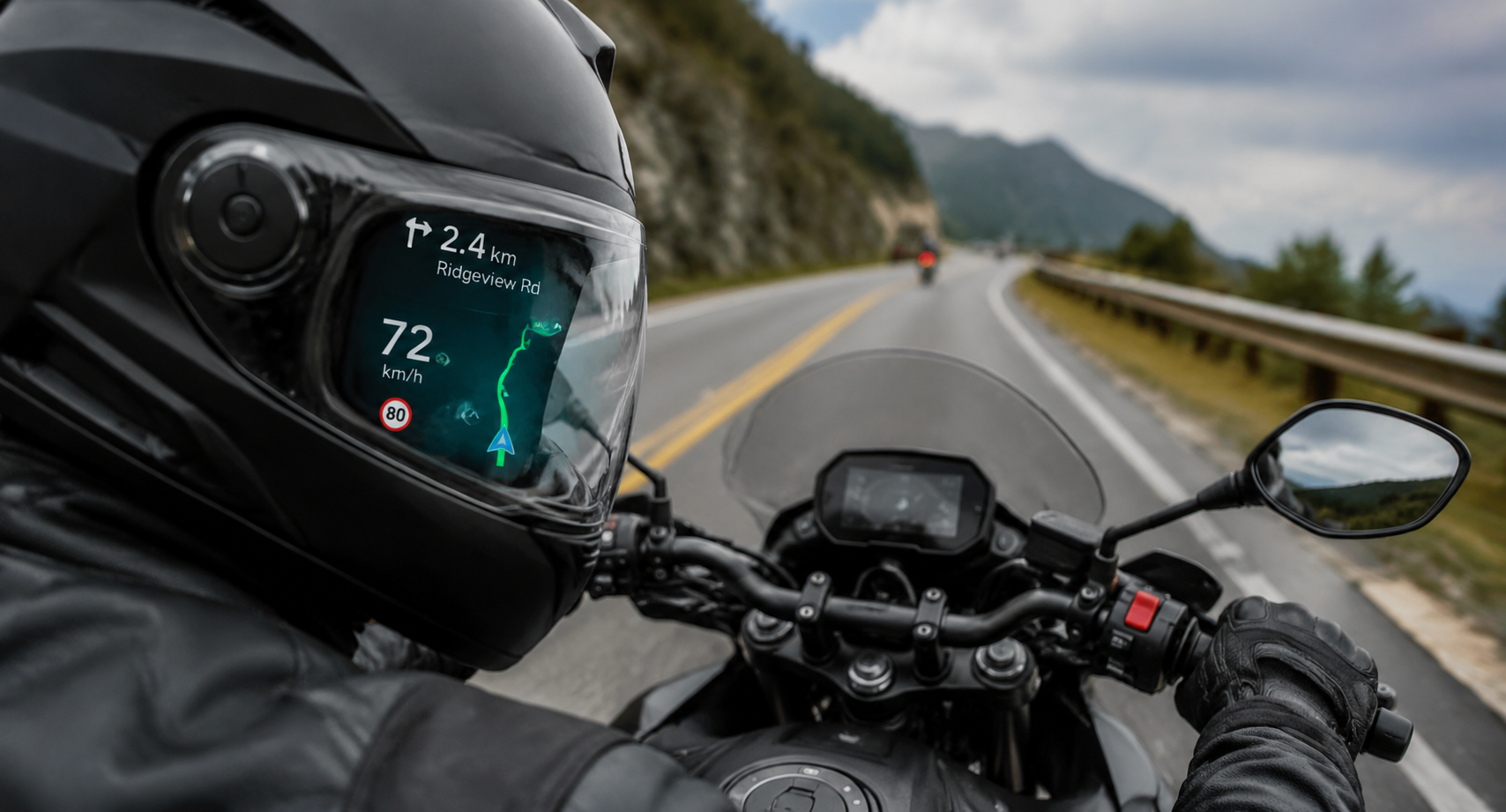
In 2026, motorcycle safety technology is evolving rapidly, and smart helmets are at the forefront of this revolution. Equipped with advanced features such as augmented reality (AR) displays, GPS navigation, crash detection, and integrated communication systems, smart helmets are enhancing rider safety and situational awareness on the road.
What Are Smart Helmets?
Smart helmets integrate electronics and software directly into traditional motorcycle helmets. These helmets provide real-time information about speed, navigation, and traffic alerts directly in the rider’s line of sight. Unlike conventional helmets, smart helmets aim to reduce distractions by offering hands-free access to essential data.
Many models now include:
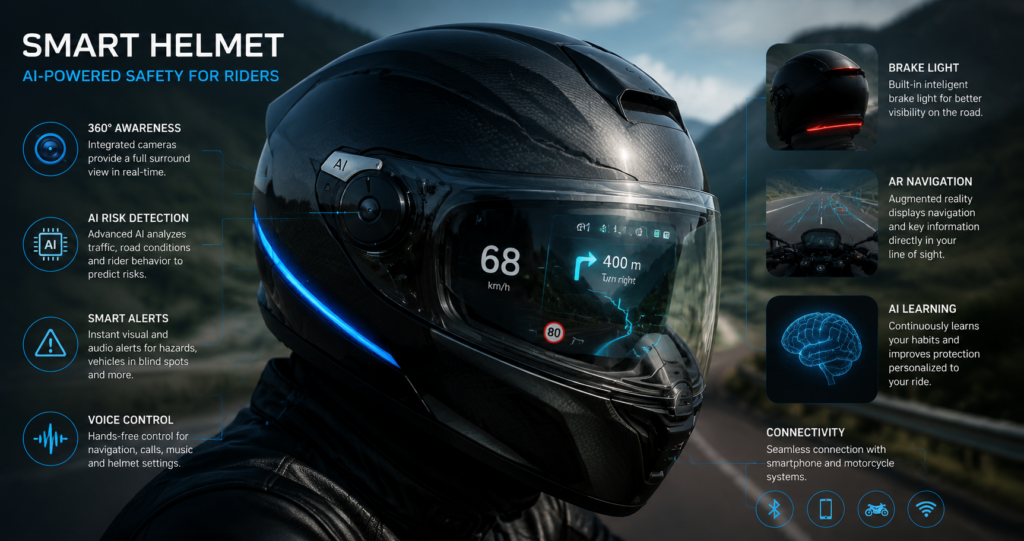
- Augmented Reality Heads-Up Display (HUD)
- Built-in GPS and route guidance
- Bluetooth connectivity for calls and music
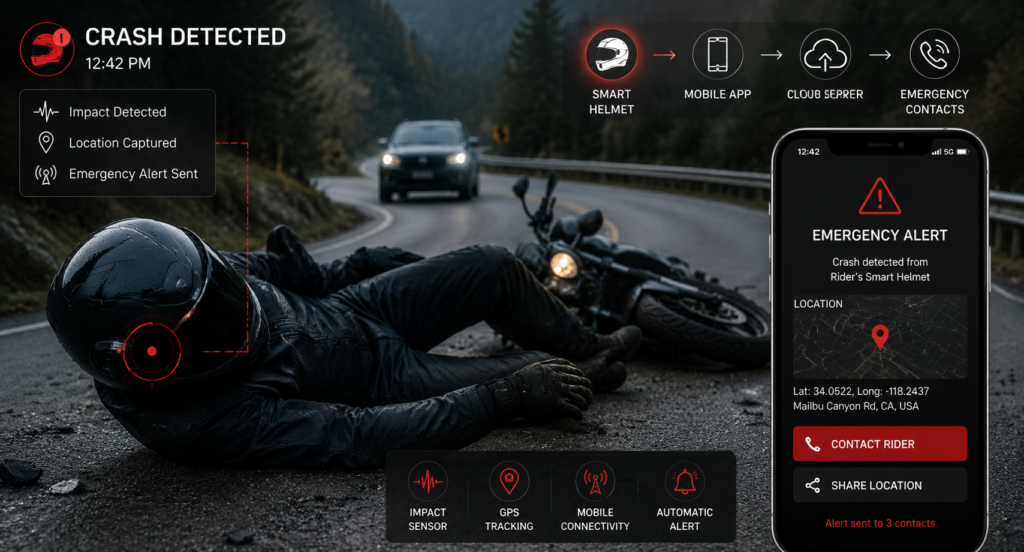
- Crash detection and emergency alerts
- Voice-activated controls
Benefits for Rider Safety
Smart helmets are designed to keep riders informed while minimizing distractions. By presenting essential information within the rider’s field of view, they reduce the need to glance at phones or dashboards. This helps prevent accidents caused by inattention or delayed reaction times.
Key safety benefits include:
- Enhanced situational awareness with AR HUD alerts
- Immediate crash detection and emergency notifications
- Hands-free access to navigation and communication
- Integration with other advanced rider-assistance systems (ARAS)
Our article on Motorcycle Safety explains additional gear and safety practices riders can adopt alongside smart helmets.
How Smart Helmets Are Reducing Accidents
According to the National Highway Traffic Safety Administration (NHTSA), accidents related to rider distraction remain a leading cause of motorcycle crashes. Smart helmets can mitigate this by keeping riders focused on the road while delivering critical data in real-time.
Crash detection features are particularly valuable. If a rider is involved in an accident, the helmet can automatically alert emergency contacts with GPS location, potentially saving lives. Furthermore, HUD systems warn riders of speed limits, lane departures, and obstacles, reducing the likelihood of collisions.
Integration with Motorcycle Technology
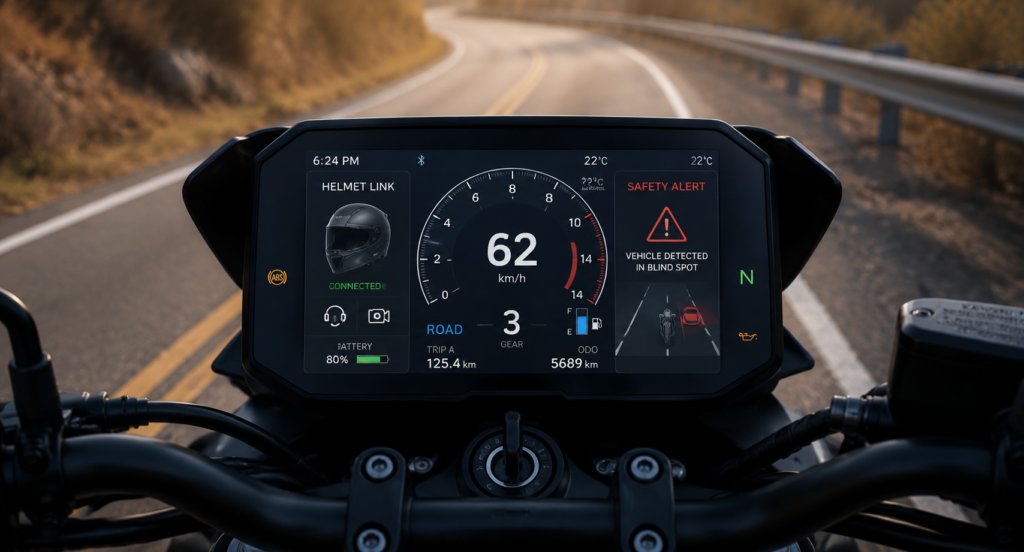
Smart helmets are increasingly integrated with other motorcycle safety systems, including Anti-Lock Braking Systems (ABS), Motorcycle Stability Control (MSC), and AI-powered dashcams. This connectivity allows for a more comprehensive safety network:
- Dashcam feeds can display hazards on the HUD
- ABS and MSC data can alert riders to skidding or tipping risks
- Connected helmets enhance communication between riders in a group
For more insights, our blog section covers advanced motorcycle technology trends for 2026.
Challenges and Considerations
While smart helmets offer significant safety advantages, there are limitations to consider:
- High cost may limit adoption among riders
- Battery life and device reliability are critical
- Rider dependency on technology could reduce vigilance
- Compatibility with older motorcycles may be limited
Despite these challenges, the overall trend shows that smart helmets contribute to reducing accident rates and improving rider confidence.
Future Trends
The future of smart helmets includes AI-assisted features, enhanced communication networks, and even predictive analytics for accident prevention. Companies are exploring:
- Predictive hazard alerts based on traffic data
- Vehicle-to-vehicle communication systems
- Enhanced night vision and low-light assistance
- Seamless integration with wearable health monitors
External sources such as the CDC Motorcycle Safety page and American Motorcyclist Association track emerging safety technologies and provide updated data on motorcycle safety trends.
Conclusion
Smart helmets are transforming motorcycle safety in 2026. With augmented reality displays, crash detection, GPS navigation, and integration with other safety systems, these helmets empower riders to stay safer and more informed. As adoption grows, smart helmets may become a standard component of motorcycle safety, complementing other gear, training, and technology.
For related topics on accident prevention and rider safety, visit our Accident Prevention and Rider Safety sections.