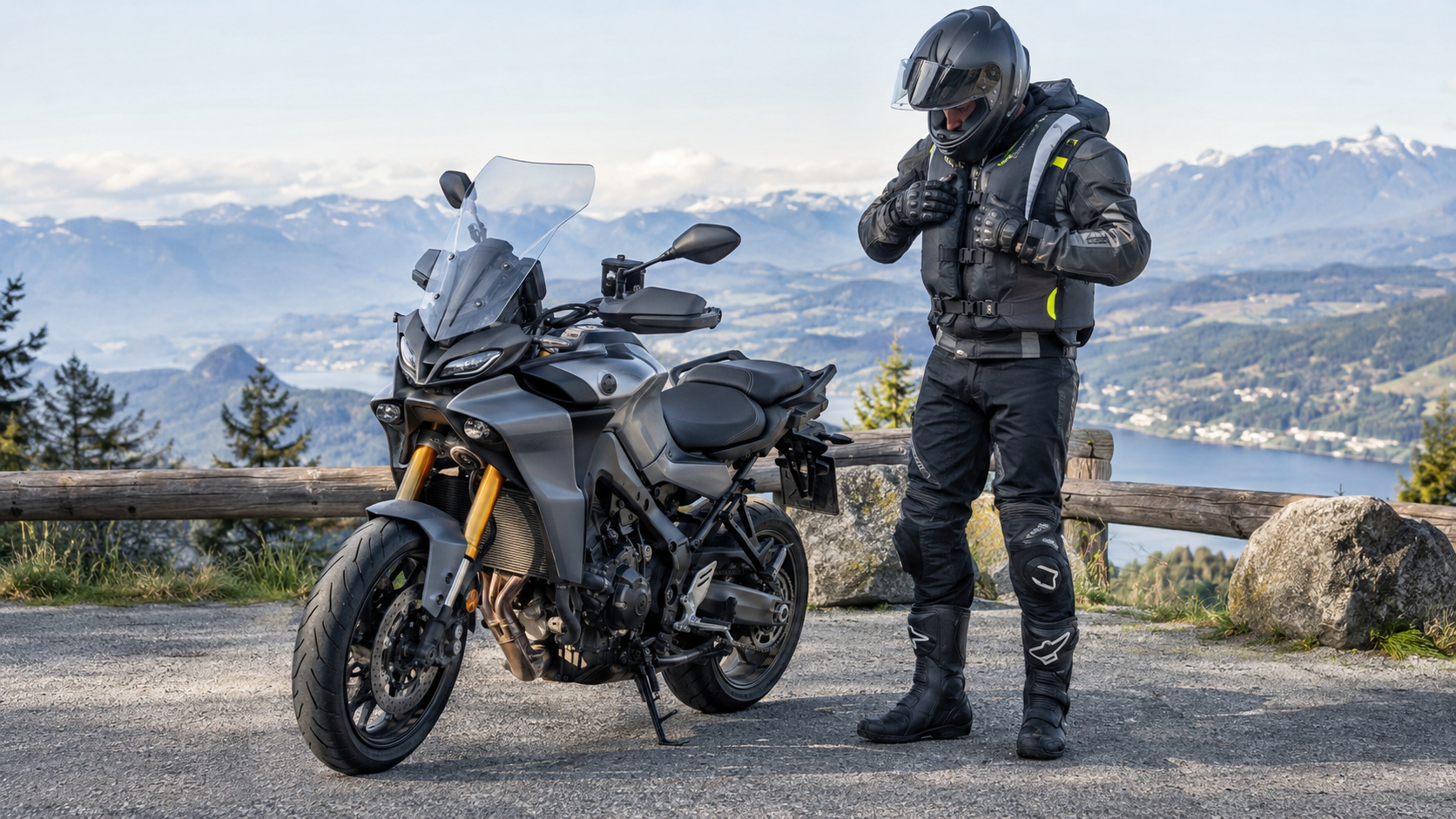
As motorcycle technology continues to advance, new safety features are being developed to reduce accidents and improve rider protection. In 2026, several innovative technologies are making a significant impact on road safety for motorcyclists.
1. Advanced Rider Assistance Systems (ARAS)
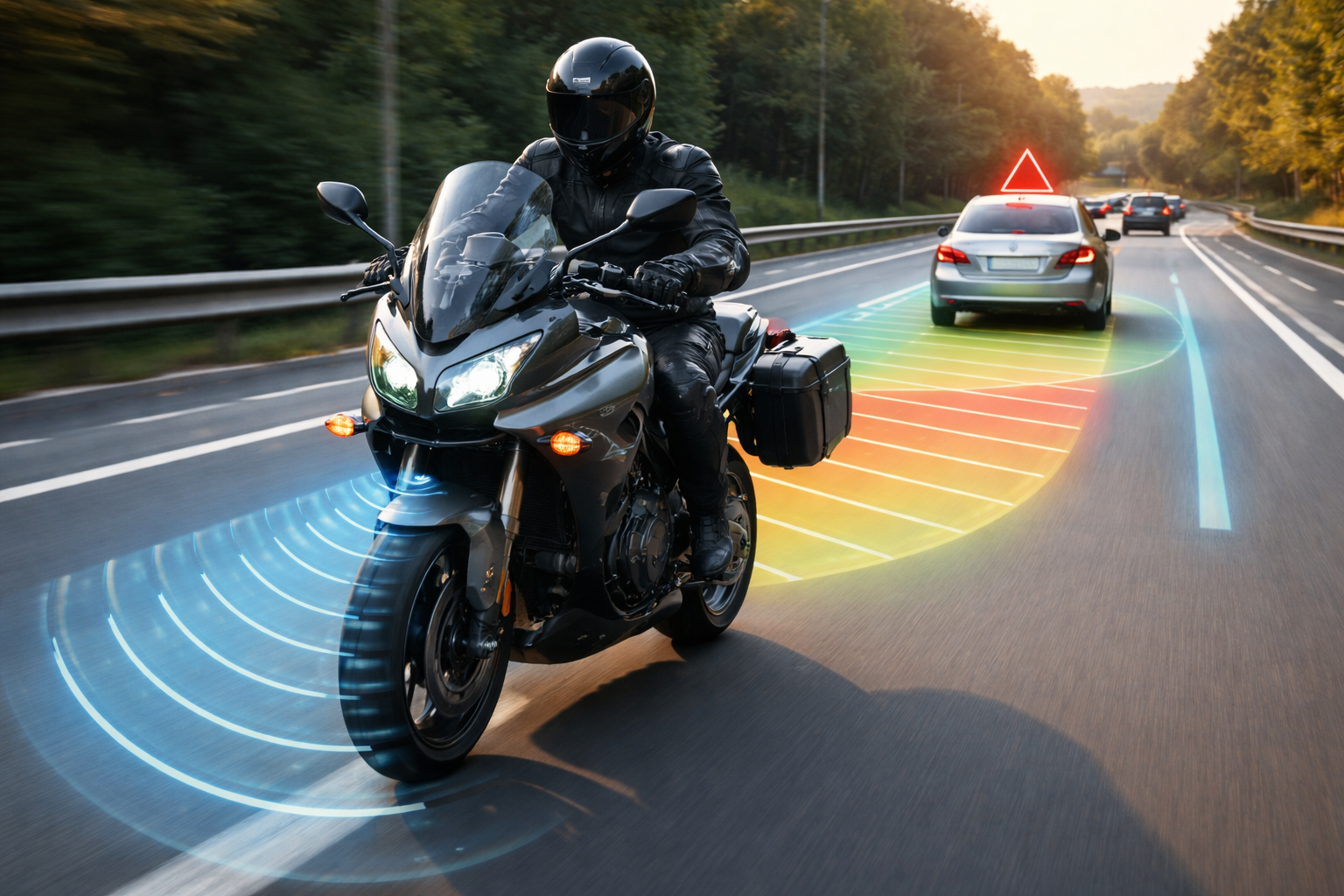
Advanced Rider Assistance Systems, or ARAS, are becoming increasingly common in motorcycles. These systems use sensors and cameras to detect potential hazards, such as vehicles in blind spots or sudden obstacles, and alert the rider. In some cases, ARAS can even intervene, automatically applying brakes if a collision is imminent. This technology has shown promise in reducing accidents caused by rider inattention or poor visibility.

2. Smart Helmets
Smart helmets are no longer just a concept; they are becoming a reality for many riders. Equipped with features like built-in GPS, Bluetooth connectivity, and heads-up displays, these helmets offer riders real-time information on road conditions, speed, and navigation. Some models also include crash detection systems that notify emergency services in case of a fall or collision, potentially saving lives.
3. Anti-Lock Braking Systems (ABS)
Anti-lock Braking Systems, or ABS, are now standard on most new motorcycles. This system prevents the wheels from locking during hard braking, which can lead to skidding and loss of control. ABS is especially valuable in emergency situations, helping the rider maintain control of the bike even under challenging road conditions like wet or icy surfaces.
4. Motorcycle Stability Control (MSC)
Motorcycle Stability Control is a cutting-edge technology that adjusts the engine’s power output to maintain optimal stability. MSC can help prevent the motorcycle from tipping over in situations like sharp turns or high-speed cornering. By actively managing the bike’s performance, this technology provides an additional layer of safety, especially for less experienced riders.
5. Collision Avoidance Systems
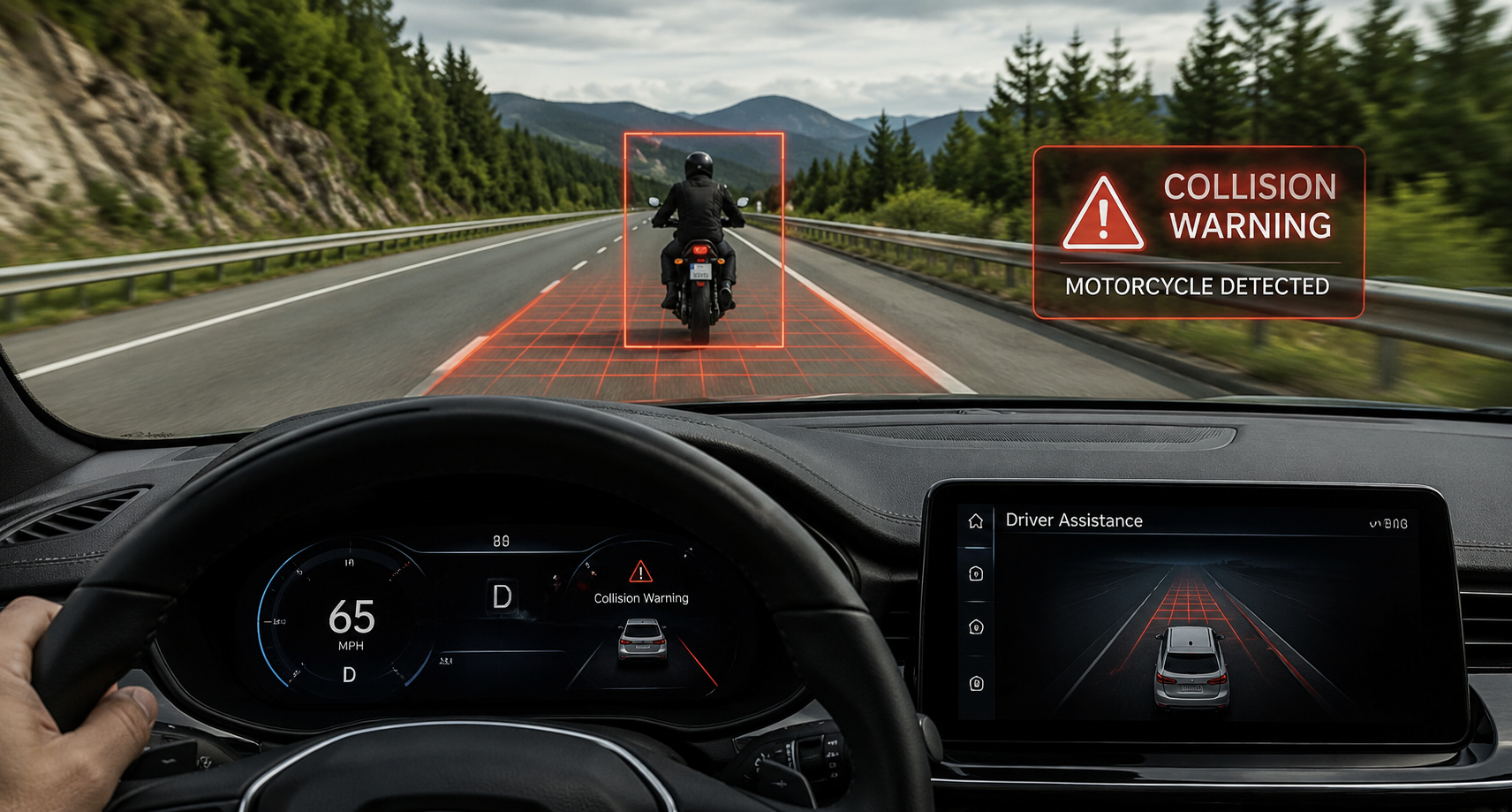
Collision avoidance systems use radar and cameras to detect nearby vehicles and obstacles, providing audible or visual warnings to the rider. In some cases, the system can even take control of the motorcycle’s braking system to prevent a collision. These systems are particularly beneficial in reducing accidents caused by rear-end collisions, which are a common type of motorcycle accident.
Impact of These Technologies on Accident Rates
Studies have shown that motorcycles equipped with ARAS, ABS, and other safety features are involved in fewer accidents compared to those without these technologies. As these technologies continue to evolve, it is expected that motorcycle safety will improve dramatically, reducing fatalities and severe injuries.
Challenges and Limitations
While the introduction of these safety features is a positive development, there are still challenges to widespread adoption. The cost of advanced technology can be a barrier for many riders, especially those purchasing used motorcycles. Additionally, riders must still be cautious and aware of their surroundings, as these technologies are not foolproof and cannot replace responsible riding practices.
Conclusion
New motorcycle safety technologies are transforming the way we think about riding safety. As these innovations become more common, they are helping to prevent accidents and save lives on the road. However, it is essential for riders to remain proactive in their safety practices, ensuring that they use these technologies in conjunction with safe riding habits.
Read More Articles
- What Motorcycle Accident Statistics Tell Us About Rider Safety
- Understanding the Causes Behind Motorcycle Accidents: A Data-Driven Analysis