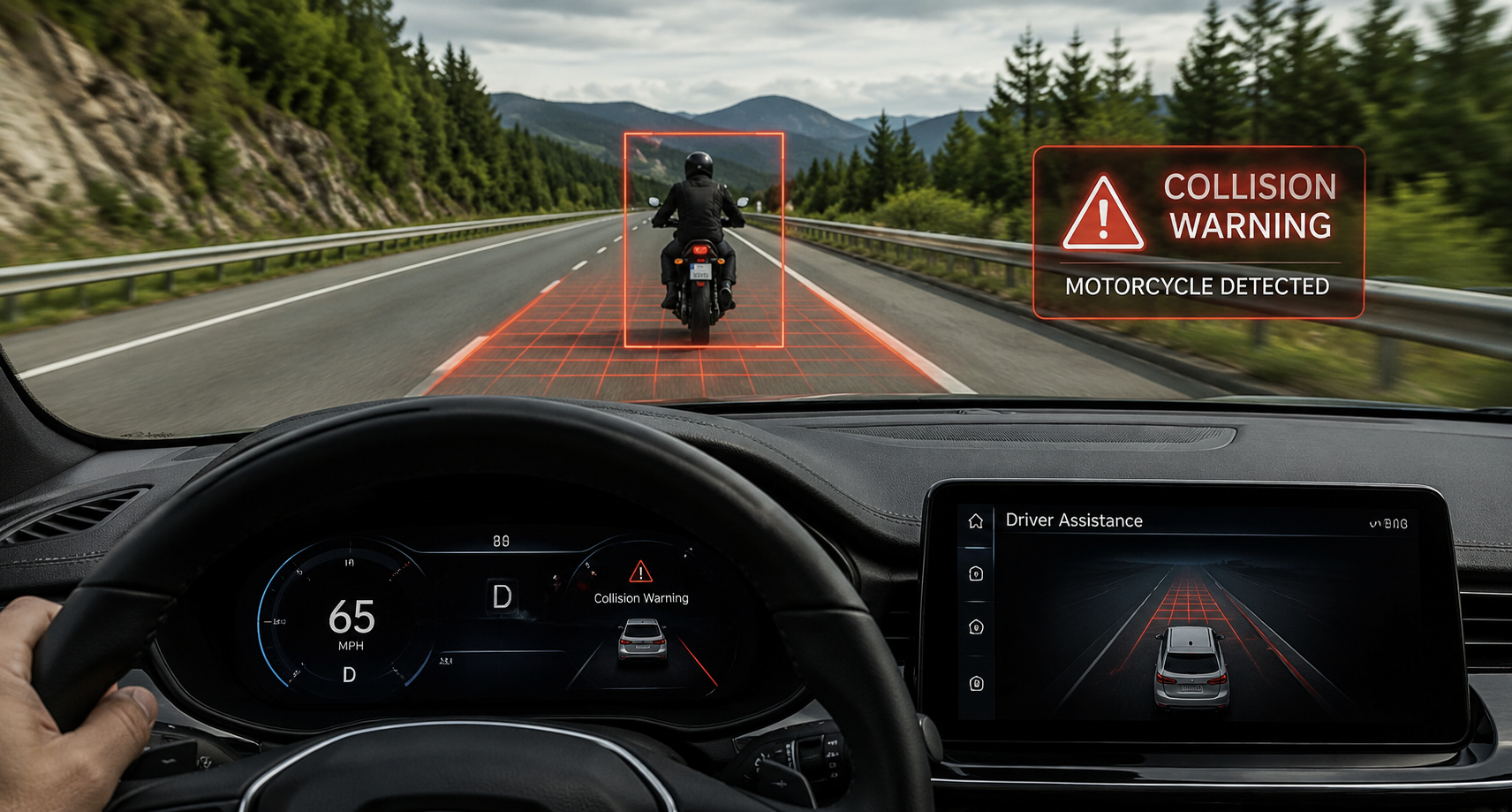
Common Types of Motorcycle Accidents
Motorcycle accidents can vary in nature, often categorized into different types based on the circumstances surrounding the incident. One of the most common types of motorcycle accidents is the rear-end collision. This occurs when a vehicle strikes the motorcycle from behind, often due to the driver’s failure to maintain a safe following distance. Another prevalent type is the intersection collision, where a motorcycle is hit by a vehicle at an intersection, typically when one of the parties fails to yield the right of way. These types of accidents highlight the vulnerability of motorcyclists on the road.
Factors Contributing to Motorcycle Accidents
Several factors can contribute to the occurrence of motorcycle accidents, making it crucial to understand and address them effectively. One key factor is the lack of visibility of motorcycles to other motorists. Due to their smaller size compared to other vehicles, motorcycles are often overlooked or not seen by drivers, leading to collisions. Additionally, speeding plays a significant role in motorcycle accidents, as high speeds reduce the rider’s ability to react to sudden changes in traffic conditions. Understanding these factors can help in implementing preventive measures to reduce the likelihood of accidents.
Importance of Motorcycle Safety Gear
Wearing appropriate safety gear is essential for every motorcyclist to protect themselves in case of an accident. Helmets are the most critical piece of safety equipment that can prevent head injuries and save lives in the event of a crash. Additionally, protective clothing such as jackets, pants, gloves, and boots can minimize the impact of road rash and abrasions. Investing in high-quality safety gear and ensuring its proper use can significantly reduce the severity of injuries sustained in motorcycle accidents.
Strategies for Preventing Motorcycle Accidents
Preventing motorcycle accidents requires a combination of proactive measures and responsible behavior on the part of both riders and other road users. One effective strategy is defensive driving, where motorcyclists anticipate potential hazards and take proactive measures to avoid accidents. Adhering to traffic laws, such as obeying speed limits and signaling intentions, is crucial for safe riding. Furthermore, regular maintenance of motorcycles can prevent mechanical failures that may contribute to accidents. By adopting these strategies, riders can minimize the risk of being involved in a motorcycle accident.
Legal Implications of Motorcycle Accidents
When a motorcycle accident occurs, it can have significant legal implications for all parties involved. Determining liability in a motorcycle accident is crucial in establishing who is responsible for the damages and injuries sustained. In cases where negligence is proven, the at-fault party may be liable for compensating the injured party for medical expenses, lost wages, and other damages. Understanding the legal implications of motorcycle accidents is essential for protecting one’s rights and seeking appropriate recourse in the event of a collision.