Motorcycling offers an unparalleled sense of freedom and connection to the open road. However, this exhilarating experience comes with inherent risks that every rider must navigate. In recent years, a particularly alarming trend has emerged that threatens the safety of motorcyclists nationwide. Distracted driving has rapidly become one of the leading causes of severe collisions on our highways and city streets. Consequently, understanding the profound impact of this issue is essential for both riders and motorists alike.
The modern driving environment is filled with unprecedented levels of distraction. From smartphones to complex in-vehicle infotainment systems, drivers face constant temptations to take their eyes off the road. Unfortunately, when a driver loses focus even for a split second, the consequences for a vulnerable motorcyclist can be devastating. Therefore, we must delve deep into the statistics and realities surrounding distracted driving motorcycle accidents to foster a safer environment for everyone.
The Alarming Statistics Behind Distracted Driving
To truly grasp the magnitude of this problem, we must examine the data provided by leading safety organizations. According to the National Highway Traffic Safety Administration (NHTSA), distracted driving claimed the lives of 3,275 people in 2023 alone. Furthermore, distracted driving contributes to approximately 25 to 30 percent of all motorcycle accidents nationwide. This staggering figure highlights a critical area where preventative measures are desperately needed.
Motorcyclists are already overrepresented in traffic fatalities. In fact, recent data shows that 6,335 motorcyclists were killed in 2023, accounting for 15 percent of all traffic fatalities. When you combine these inherent vulnerabilities with the erratic behavior of a distracted driver, the risk multiplies exponentially. For a broader perspective on these numbers, you can explore our detailed analysis on fatal motorcycle accidents and what the numbers tell us.
Moreover, the National Safety Council emphasizes that distraction-affected crashes remain a persistent threat despite widespread public awareness campaigns. Young drivers, particularly those under the age of 25, demonstrate significantly higher rates of phone usage while driving. Because younger motorists may lack the experience required to properly scan for smaller vehicles, motorcyclists frequently find themselves in perilous situations.
Understanding the Three Types of Distraction
When discussing distracted driving motorcycle accidents, it is crucial to recognize that distractions come in various forms. The Centers for Disease Control and Prevention (CDC) categorizes driving distractions into three primary types. Understanding these categories helps clarify why certain behaviors are so incredibly dangerous.
Firstly, visual distractions occur when a driver takes their eyes off the road. Glancing at a text message, looking at a GPS device, or turning to check on passengers all fall into this category. Secondly, manual distractions involve taking one or both hands off the steering wheel. Eating, drinking, or reaching for an item in the passenger seat are common examples. Finally, cognitive distractions happen when a driver’s mind wanders away from the primary task of operating the vehicle. Engaging in a deep conversation or daydreaming can severely impair reaction times.
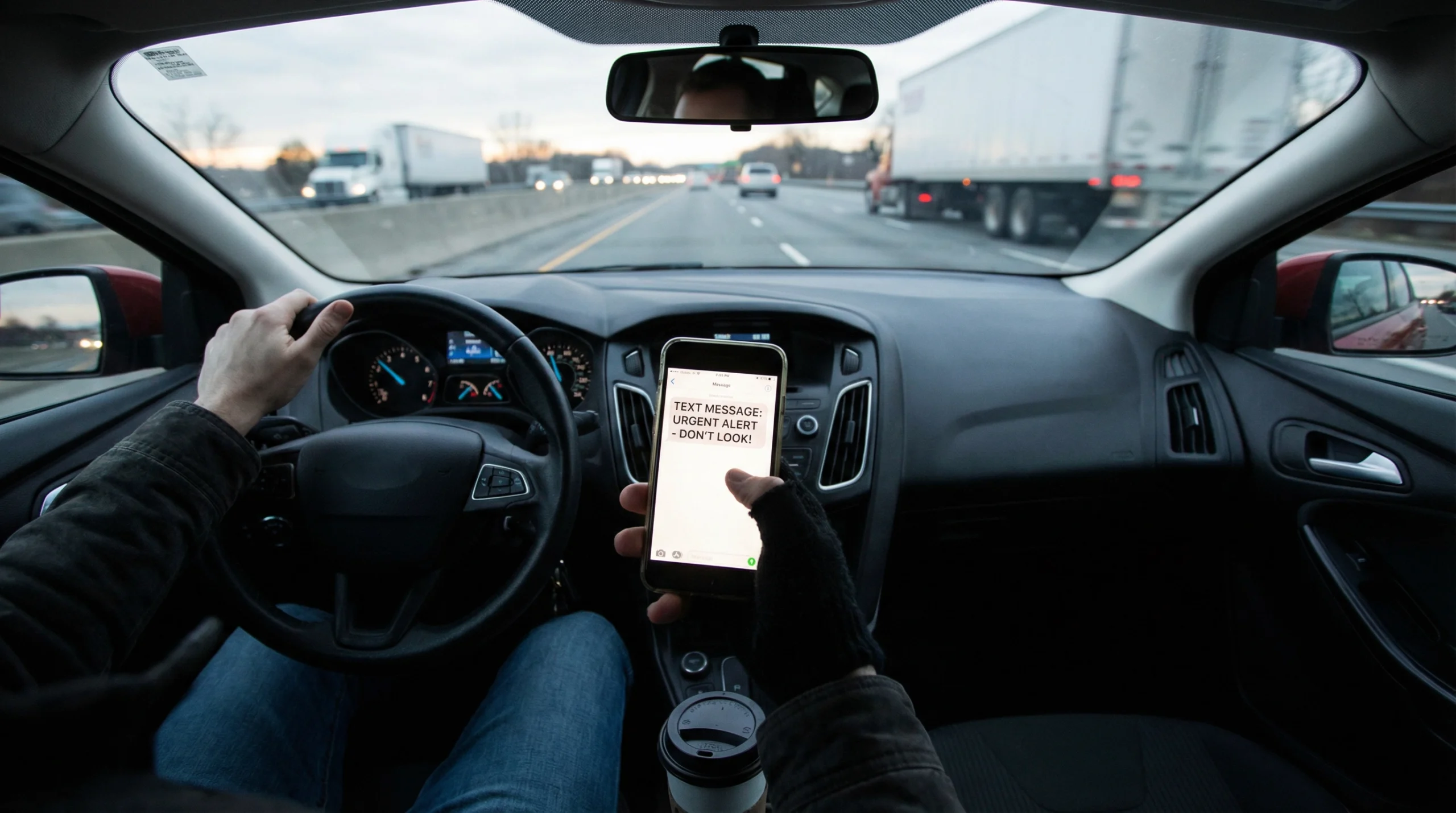
Texting while driving is universally recognized as the most dangerous distraction because it combines all three types simultaneously. When a driver reads or sends a text, they take their eyes off the road for an average of five seconds. At highway speeds, that is enough time to travel the entire length of a football field completely blind. During that time, a motorcyclist could easily enter the driver’s path, leading to a catastrophic collision.
Why Motorcyclists Are Particularly Vulnerable
You might wonder why distracted driving disproportionately affects motorcyclists compared to occupants of passenger vehicles. The answer lies in the fundamental differences between motorcycles and cars. Motorcyclists lack the protective barriers, airbags, and seatbelts that enclosed vehicle occupants rely on during a crash. Consequently, when a distracted driver fails to notice a motorcycle, the rider absorbs the full impact of the collision.
Additionally, motorcycles possess a much smaller visual profile than cars, trucks, or SUVs. Drivers are naturally conditioned to look for other large vehicles when scanning intersections or changing lanes. This phenomenon, often referred to as “inattentional blindness,” means that a driver might look directly at a motorcycle but fail to actually “see” it. When you introduce a distraction like a smartphone into this equation, the likelihood of a driver missing a motorcycle increases dramatically.
Furthermore, motorcyclists react differently to environmental factors than other vehicles. For instance, a rider might need to swerve suddenly to avoid a pothole or adjust their speed due to changing weather. If you are interested in how environmental factors play a role, read our comprehensive guide on weather conditions and their effect on motorcycle accidents. A distracted driver following too closely will not have the necessary reaction time to respond to a motorcyclist’s sudden, yet necessary, maneuvers.
Common Scenarios for Distracted Driving Collisions
Distracted driving motorcycle accidents frequently occur in specific, predictable scenarios. Rear-end collisions are incredibly common at intersections and stoplights. A distracted driver who fails to notice that traffic has stopped may plow directly into the back of a waiting motorcycle. Because motorcycles can stop much faster than heavy passenger vehicles, riders are particularly susceptible to being rear-ended by inattentive motorists.
Another frequent scenario involves left-turn accidents. A driver attempting to make a left turn across oncoming traffic might quickly glance at their phone instead of thoroughly checking the intersection. Failing to spot an approaching motorcycle, the driver turns directly into the rider’s path. This type of collision is notoriously deadly and represents a significant portion of all motorcycle crashes. To understand more about the root causes of these incidents, review our article on understanding the causes behind motorcycle accidents.
Lane changes also present a massive risk. Distracted drivers often drift out of their lanes or attempt to merge without checking their blind spots. A motorcyclist riding alongside a distracted driver can easily be sideswiped or forced off the road. The Insurance Institute for Highway Safety continuously studies these crash dynamics to develop better safety protocols and vehicle technologies aimed at preventing such tragedies.

The Legal and Financial Repercussions
Beyond the physical and emotional toll, distracted driving motorcycle accidents carry severe legal and financial consequences. When a distracted driver causes a collision, they can be held liable for the resulting damages. This includes medical expenses, lost wages, property damage, and pain and suffering. However, proving that a driver was distracted at the time of the crash can be a complex legal process.
In many cases, personal injury attorneys must subpoena cell phone records, obtain surveillance footage, and interview eyewitnesses to build a compelling case. Furthermore, insurance companies often attempt to minimize payouts by shifting blame onto the motorcyclist. This tactic makes it even more critical for riders to gather evidence at the scene, such as photographs and witness contact information, if they are physically able to do so.
The financial burden of a motorcycle accident can be astronomical. Severe injuries often require surgeries, extended hospital stays, and long-term rehabilitation. For many riders, the inability to return to work compounds the financial strain. By holding distracted drivers accountable, the legal system not only provides necessary compensation to victims but also serves as a powerful deterrent against future negligence.
Preventative Measures and Safety Strategies
While motorcyclists cannot control the behavior of other drivers, they can adopt proactive strategies to mitigate the risks associated with distracted driving. Defensive riding is no longer just a recommendation; it is an absolute necessity. Riders must constantly anticipate that the drivers around them are not paying attention.
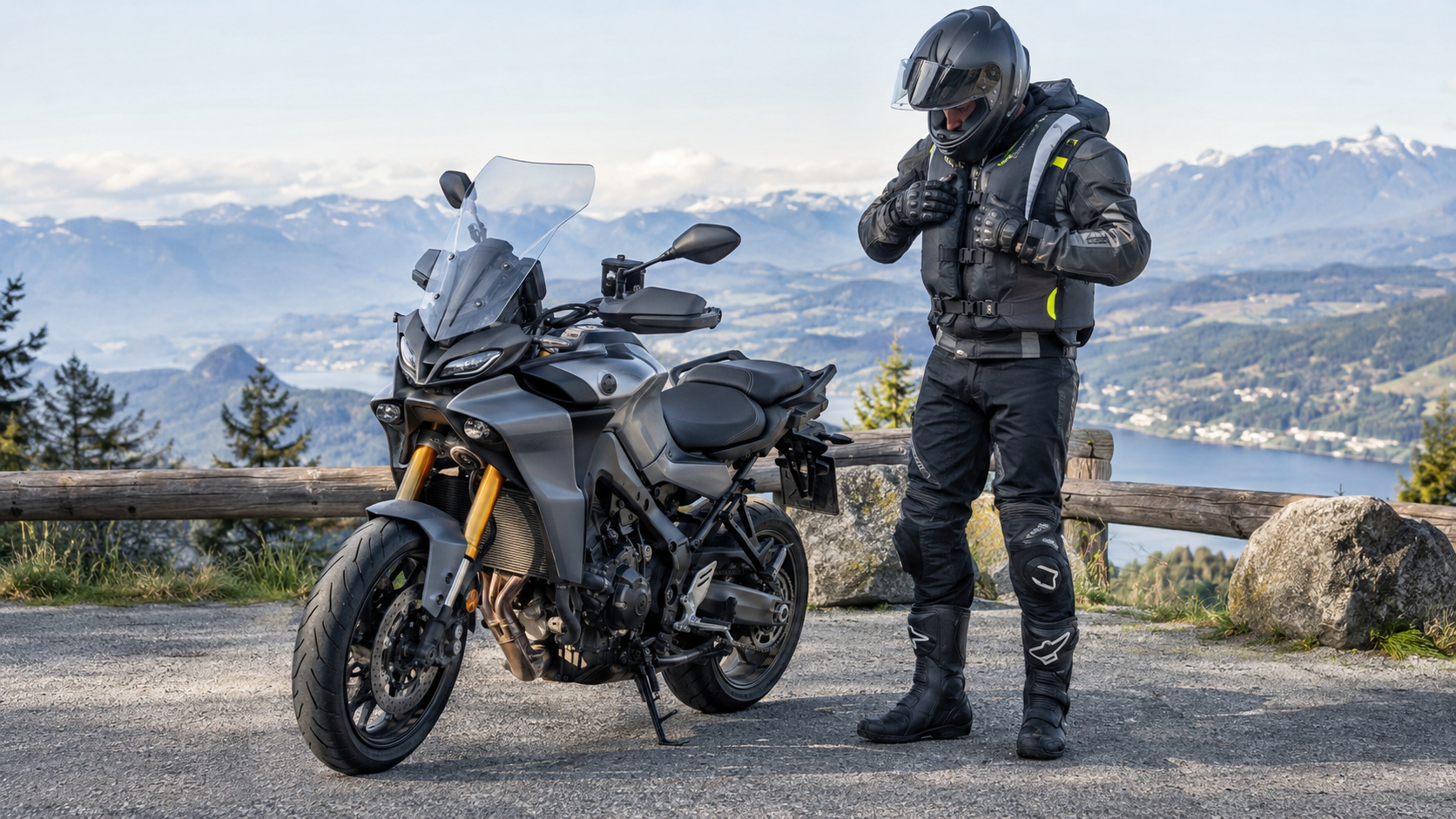
One effective strategy is to maintain a substantial following distance. Giving yourself extra space provides crucial seconds to react if a distracted driver suddenly brakes or swerves. Additionally, maximizing your visibility can help overcome a driver’s inattentional blindness. Wearing brightly colored or reflective gear, utilizing high-visibility helmets, and ensuring your motorcycle’s lighting system is functioning optimally are all excellent steps. For more insights on mitigating dangers, check out our post on motorcycle accident statistics and understanding the risk factors.
Motorcyclists should also strategically position themselves within their lane. Riding in the portion of the lane that makes you most visible in the mirrors of the vehicle ahead can prevent sudden lane-change collisions. Furthermore, always have an escape route planned. When stopped at an intersection, keep your bike in gear and watch your mirrors for approaching vehicles that show no signs of slowing down.
The Role of Legislation and Technology
Addressing the epidemic of distracted driving requires a multifaceted approach involving legislation, enforcement, and technological innovation. Many states have implemented strict laws banning texting and the use of handheld devices while driving. The Governors Highway Safety Association actively tracks these legislative efforts and advocates for comprehensive distracted driving laws across the country.
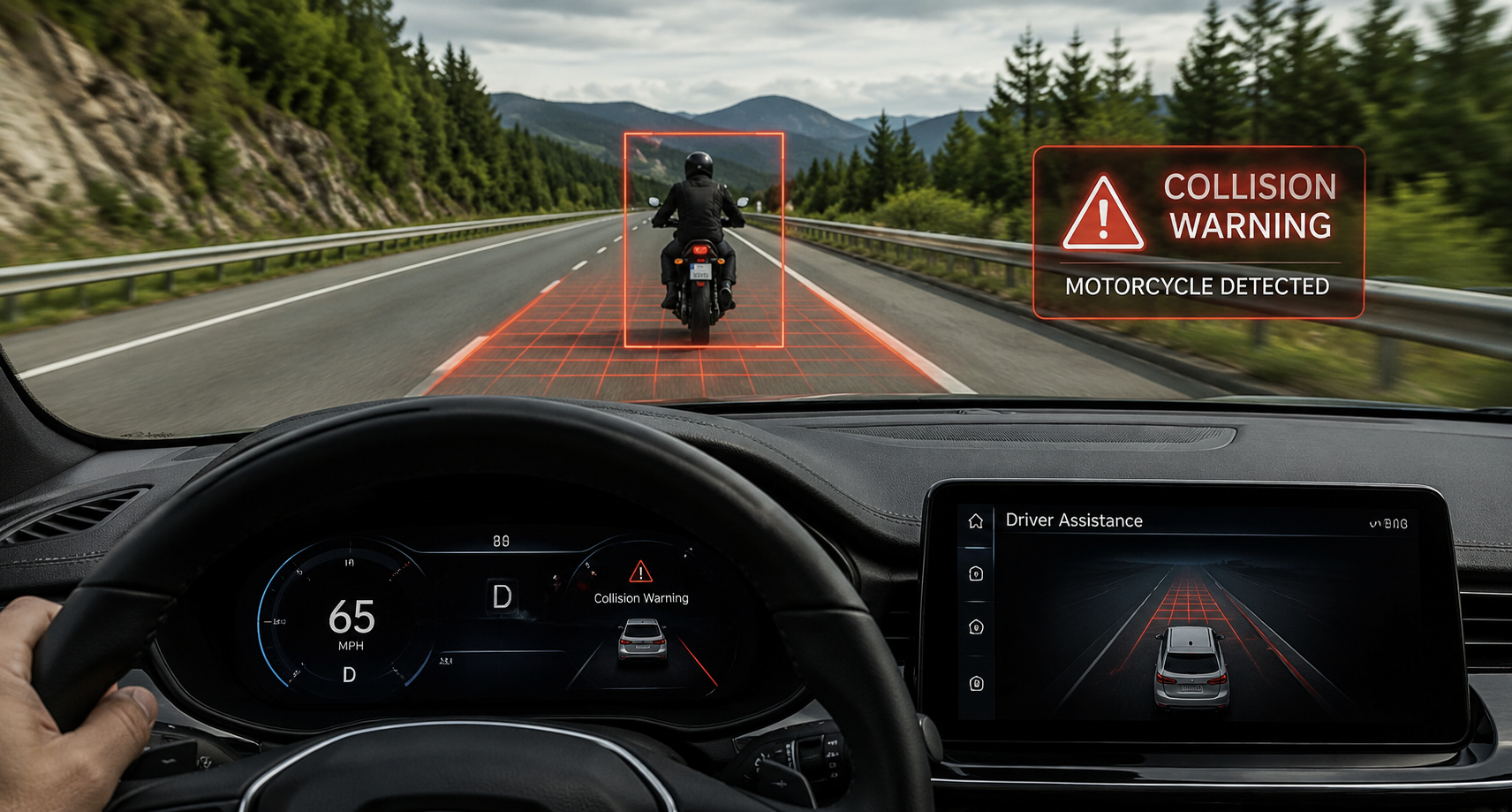
Law enforcement agencies regularly conduct high-visibility campaigns to crack down on distracted motorists. However, legislation alone cannot solve the problem. Technology also plays a pivotal role in preventing distracted driving motorcycle accidents. Advanced Driver Assistance Systems (ADAS), such as automatic emergency braking and blind-spot monitoring, are becoming standard in new vehicles. While these systems are primarily designed to detect other cars, manufacturers are increasingly refining them to better recognize motorcycles and pedestrians.
Conversely, technology can also be a double-edged sword. The proliferation of complex touchscreen interfaces in modern vehicle dashboards has introduced new sources of cognitive and visual distraction. As we move forward, it is imperative that automakers prioritize intuitive, non-distracting designs that allow drivers to keep their focus where it belongs—on the road.
Moving Forward Together
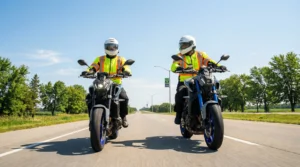
Ultimately, reducing the number of distracted driving motorcycle accidents requires a collective effort. Drivers must take personal responsibility for their actions behind the wheel. Putting the phone away, setting the GPS before departing, and committing to focused driving can save countless lives. A momentary distraction is never worth the lifetime of pain and suffering it can cause a motorcyclist and their family.
For riders, staying informed and vigilant remains the best defense. By understanding the statistics and recognizing the signs of a distracted driver, you can make smarter, safer decisions on the road. We encourage you to continue educating yourself by exploring what motorcycle accident statistics tell us about rider safety.
The open road should be a place of enjoyment, not a gauntlet of preventable hazards. By raising awareness about the severe consequences of distracted driving, we can work toward a future where motorcyclists can ride with confidence and security. Let us all commit to keeping our eyes on the road, our hands on the wheel, and our minds focused on the journey ahead.